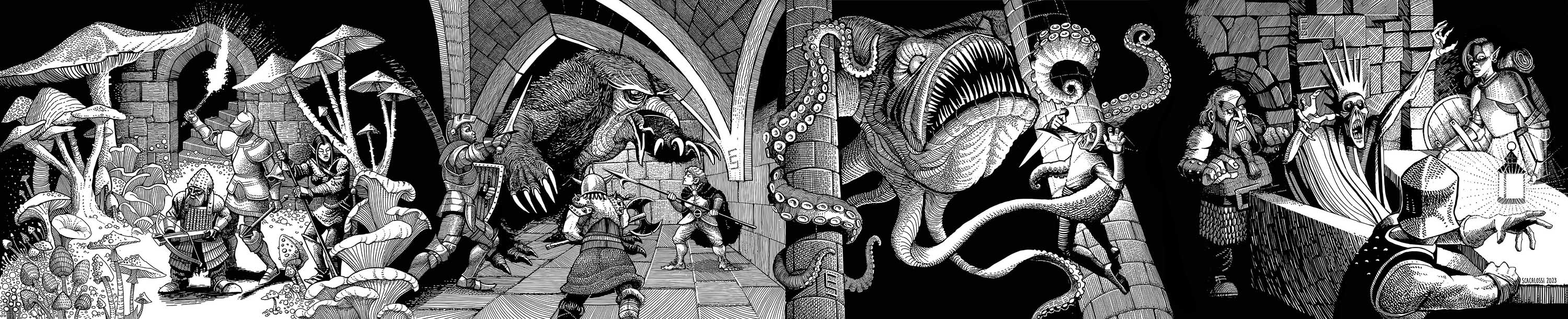
Most of my work is premeditated homage. I am the first person to point out that I’m the artistic equivalent of a cover band. At a sniff, you probably pick up the dominant scents of Trampier, Nicholson, and Sutherland around my work. And while I’m fascinated by the iconic mood and ambiance captured by Otus, Roslof, Poag and Mullen, they never quite penetrated my psyche like one artist in particular.
As a matter of fact, for decades I hadn’t bothered drawing much of anything, until almost 10 years ago, when I saw Matt Ray’s art. It made me want to drop what I was doing and play, then it made me want to drop my dice and draw.
When I find myself fascinated, I deep-dive to figure out why. What’s the name of the thing that addicted me? Why do I keep coming back to this music, food, director, or artist? Is it a type of chord? Is it a seasoning spice? Is it a color palette? There was something happening in Matt’s art that wasn’t happening in mine, but it felt attainable, so I looked closer at his approach and stylization and I’d like to take a moment to appreciate what I found.
Iconic
The work bravely features iconic genre tropes. I mark this as a courageous decision because I think every artist struggles under the pressure of “re-imagining” classic designs by addition: more monsterous, more horror, longer teeth and limbs, etc. Matt seems to reject this. He holds back, anchoring his designs in classic simplicity. He knows that a man is scarier than a monster because a man is tangible.
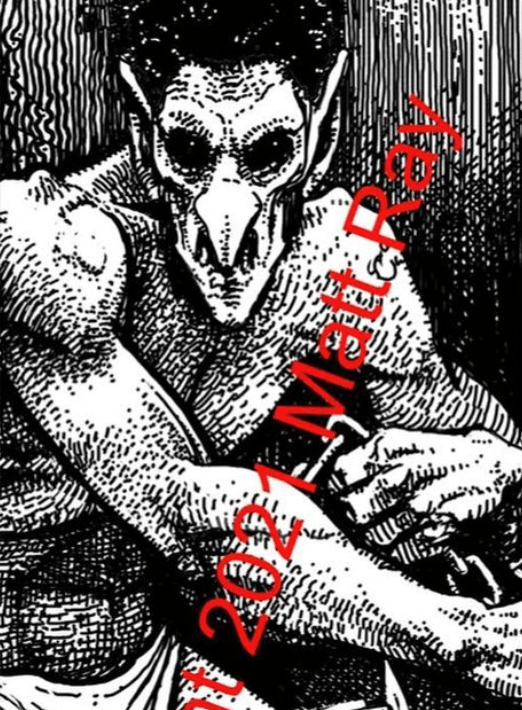

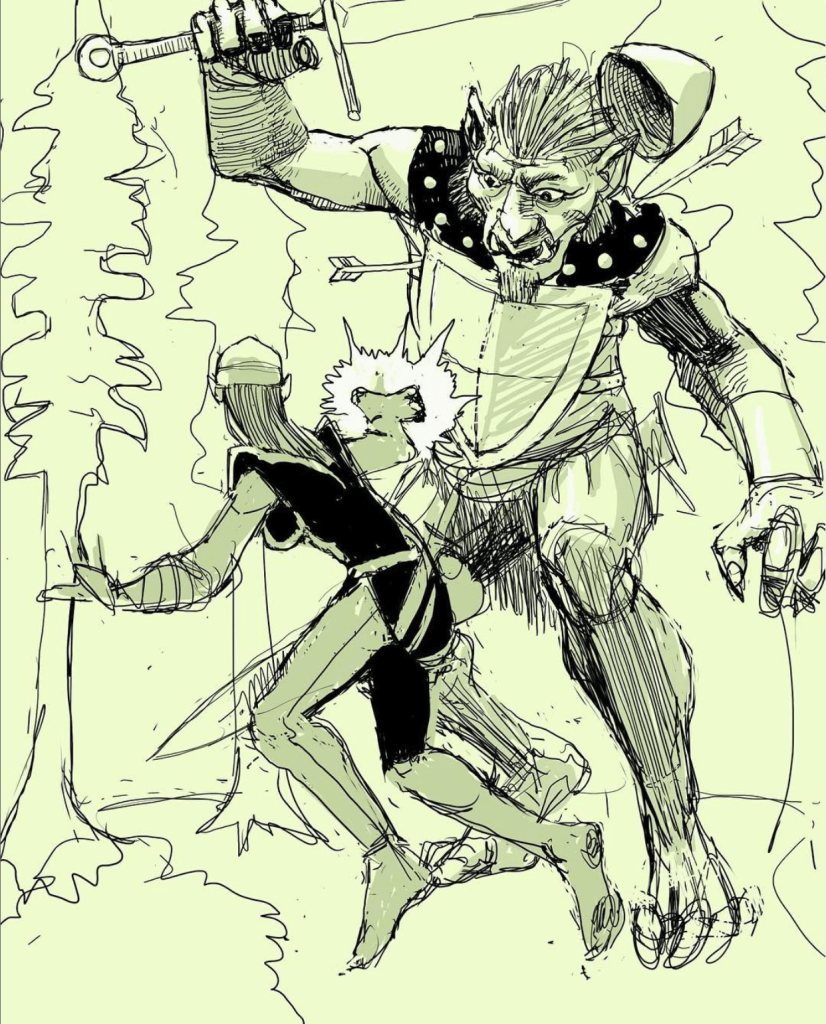
It’s a humanocentric game, and the original monster designs reflected that.
Immediacy
Look at any illustration in Matt’s portfolio and the visual story unfolds in an instant. Not only are the monsters and PC classes immediately recognizable for what they are, but they’re engaged in actions that accentuate their nature. Hell, you can even see the edition with the naked eye.
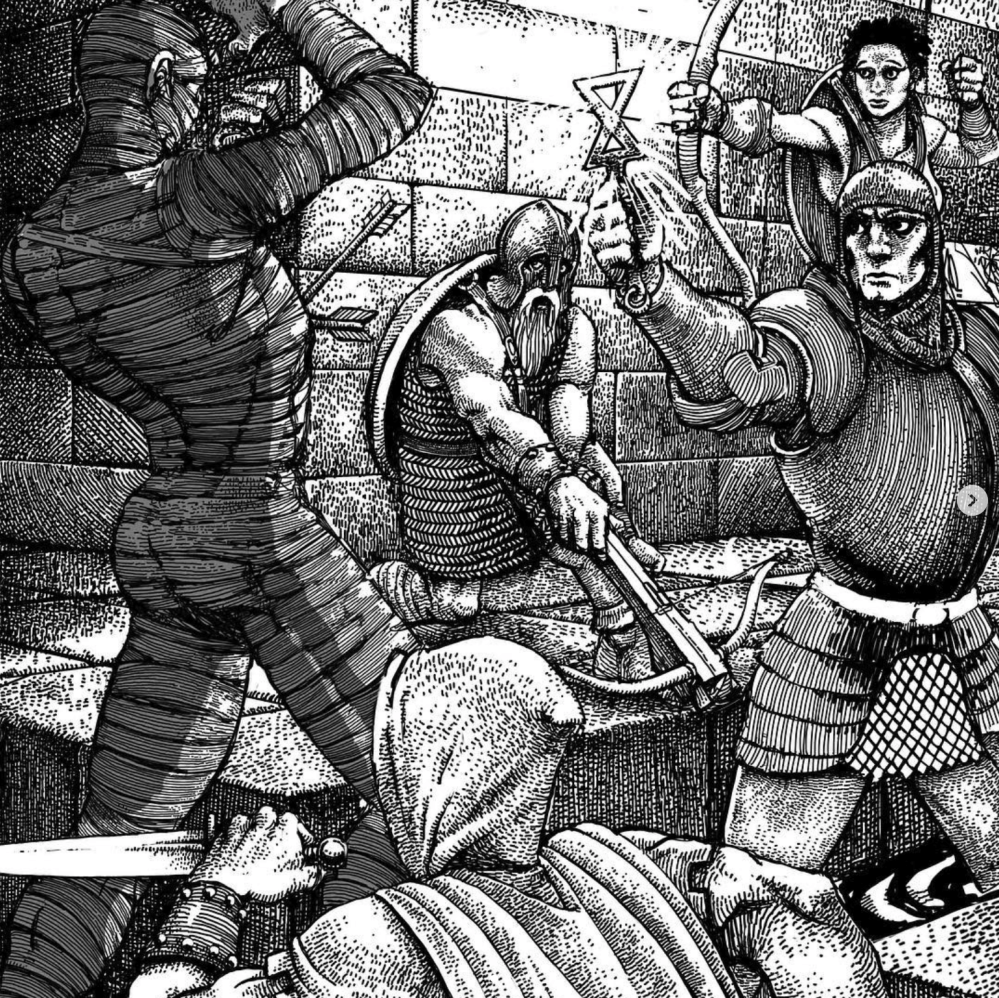
Look at this.
You know they’re in a sewer dungeon. You know the monster is a Mummy. You know the Cleric in plate is turning undead. You know the Elf has fired her bow. You know the Dwarf is reloading a slow crossbow. And somehow you just get that’s a thief moving around to backstab, even though all you see is a hood and a hand. He achieves maximum caloric density.
And this is a perfect segue into addressing composition.
Composition
This is an artist who knows how to frame the action. He knows what to cut, what to pull forward, what to push back. This is a thing that I wrestle with, and I see other artists struggling with it as well: It’s a fear of breaking out, a desire to safely keep whole forms inside the frame. And it often ruins our art.
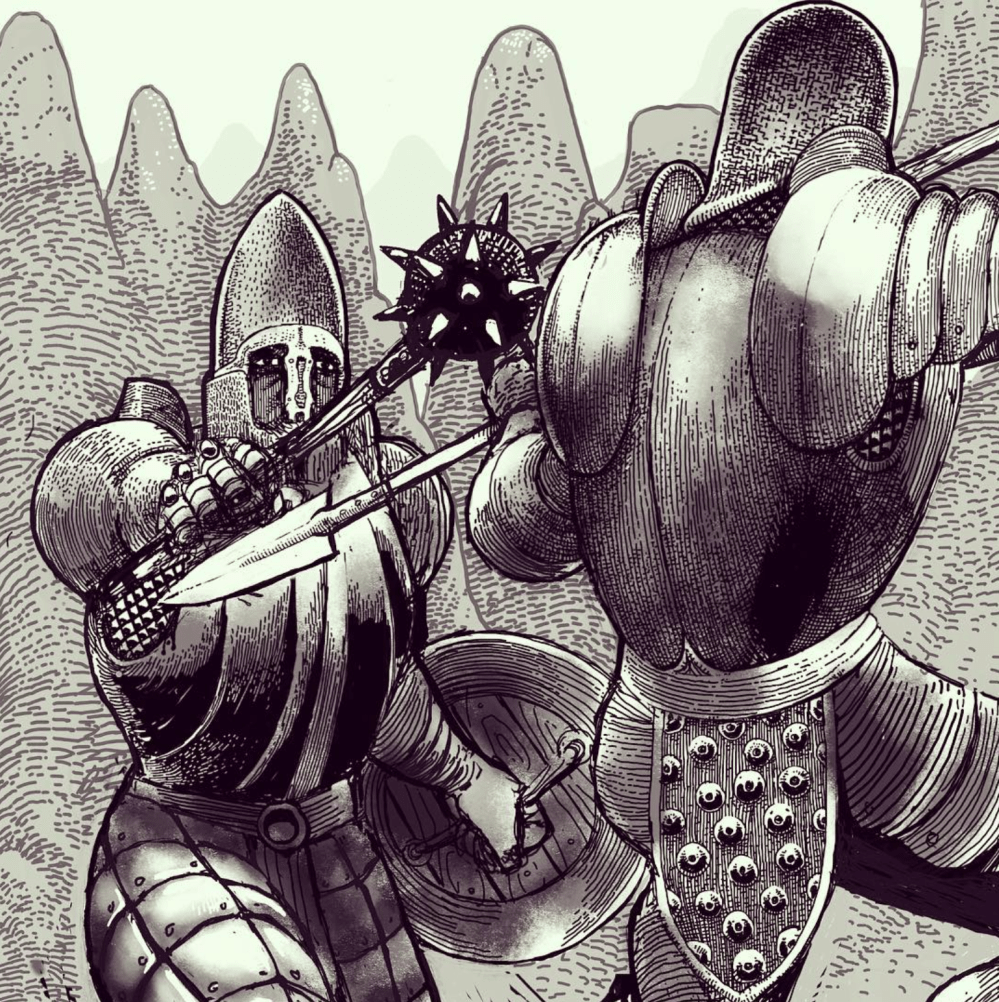
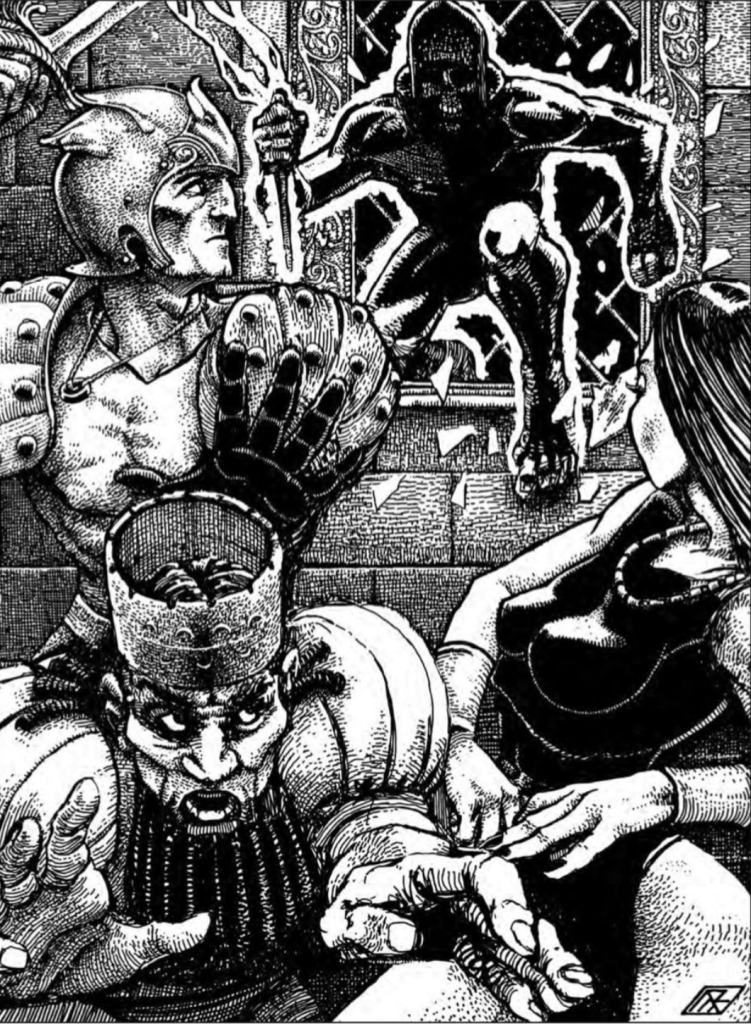
The result of yielding to this fear is that our compositions end up looking as flat as a child’s sticker book, or a ColorForms board. No depth. No immersion. The action is distant, contained, subdued. But there are some ruthless cuts in Matt’s compositions that require both confidence from the artist to attempt, and confidence in his audience to comprehend.
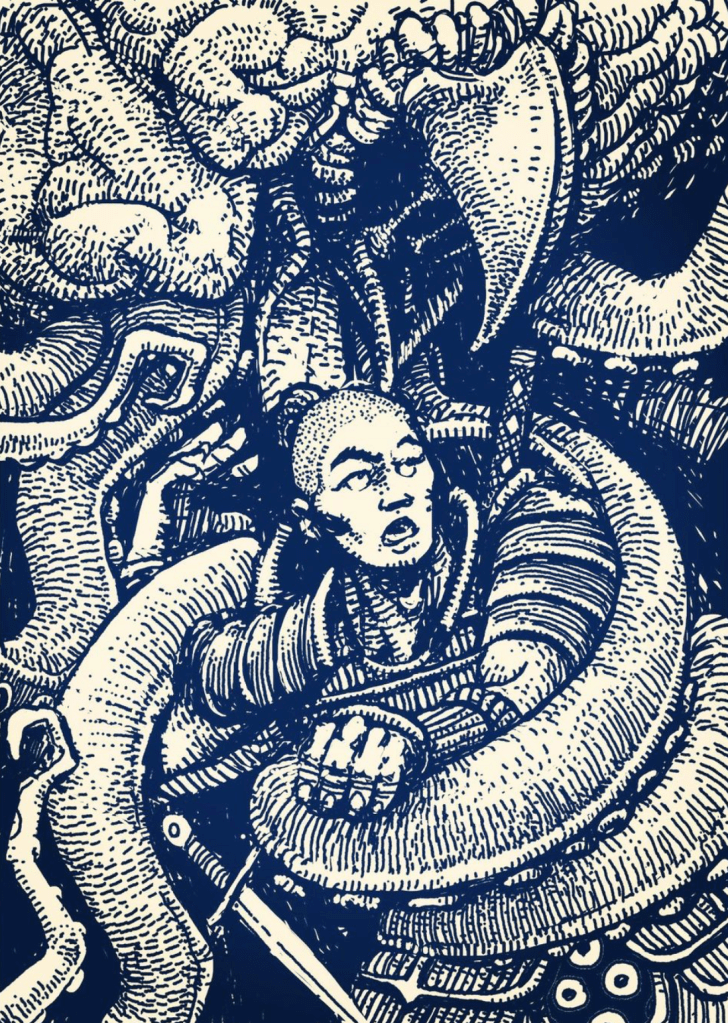
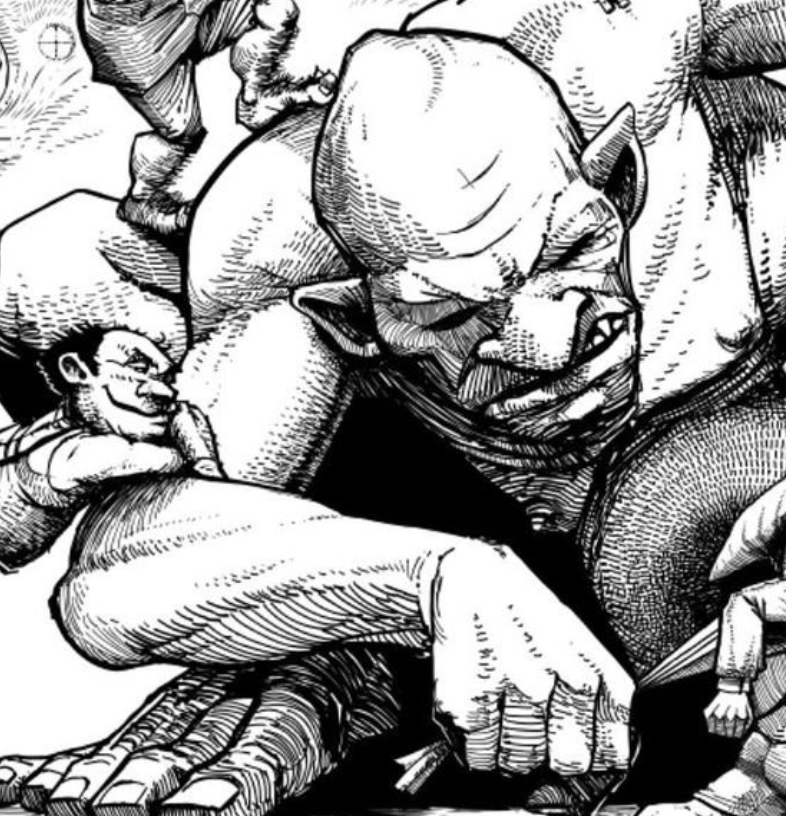
1. You get about 25% of a grell and monk, but you clearly grok both.
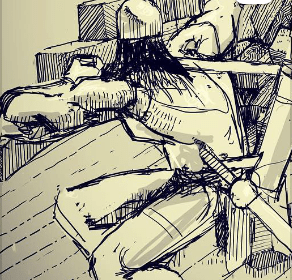
2. Two overlapping figures, one with his back to you, low angle, with background. Try it.
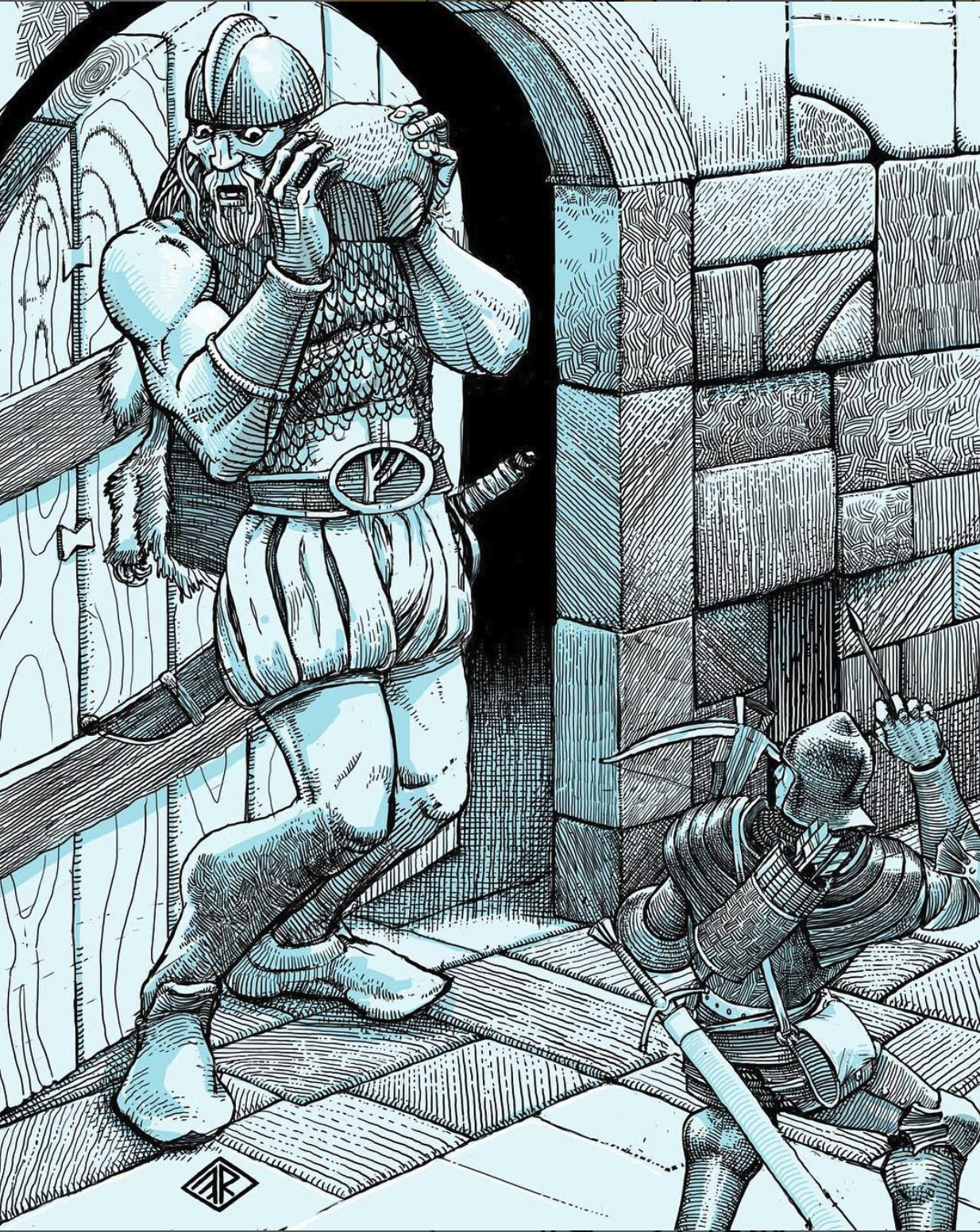
3. There is not a wasted line in this illustration. It is a complete story.
Personal
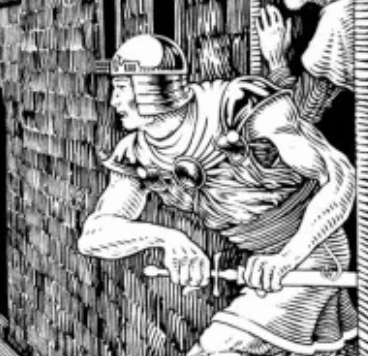
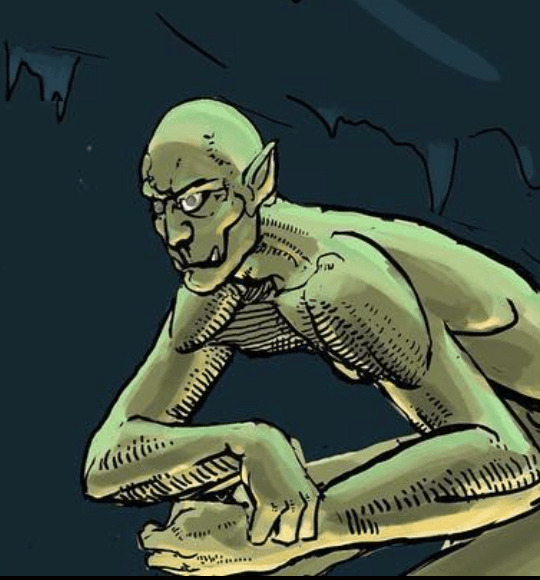
Matt shows you what inspired him. You can see that certain illustrations left an indelible mark on his formative imagination, and he shows you which ones. This really reinforces the viewer’s relationship to the art and to the artist because you know you both shared an experience; you enjoyed the same drawing.
So there’s me, like:
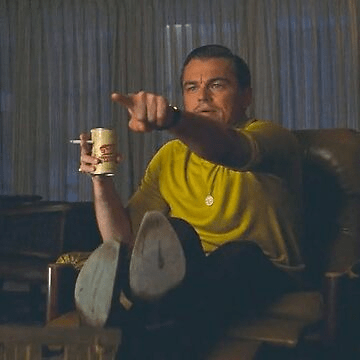
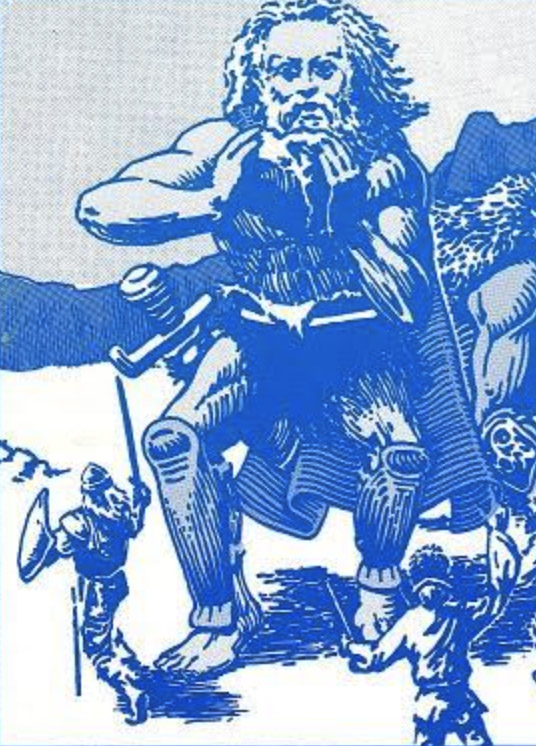
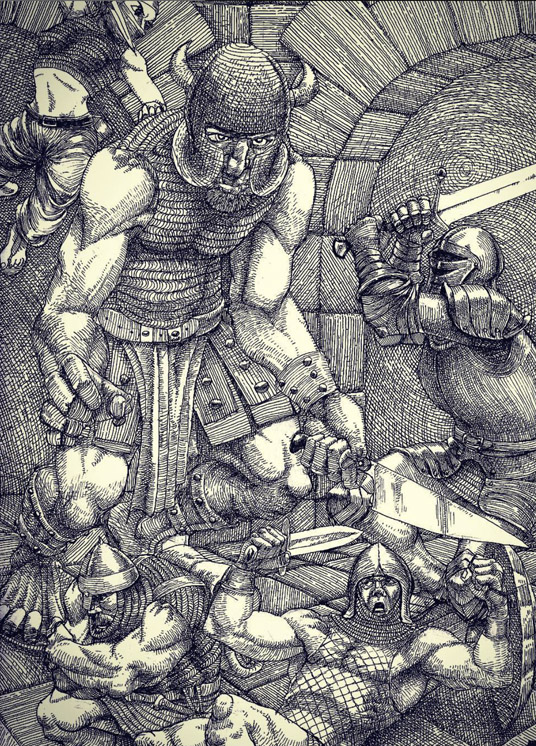
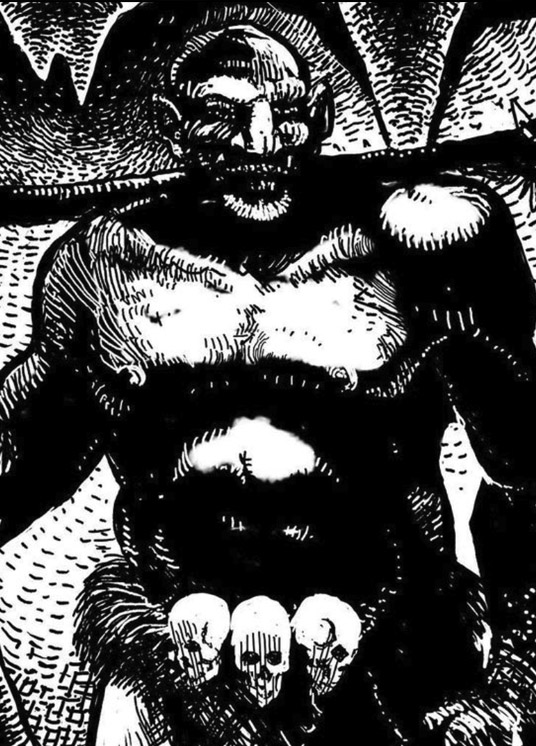
But also, you can see that he’s on a journey. If you compare earlier work to later work, you can watch him figuring out techniques, experimenting with different levels of detail and obfuscation. As an artist, I can’t tell you how comforting it is to see this. Knowing that everyone suffers from the creator’s curse, that everyone looks back to move forward.
Distortion
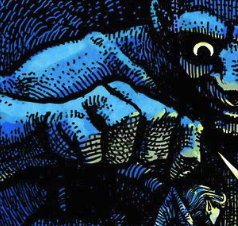
Like Picasso, Matt is fearless to use distortion to create a moment in the composition where accuracy is not the point – the point is to show the strength of a grip, the leap of a leg, the ferociousness of a bite. And I love the guts behind that, because it can go so badly. There are a few things that are trademarks, and I adore them because they’re so distinctive:
Expressionist
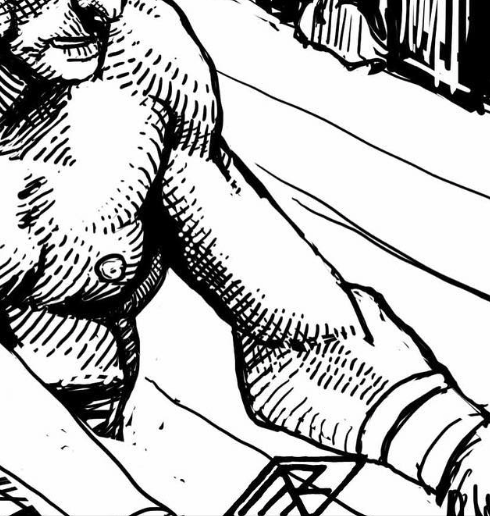
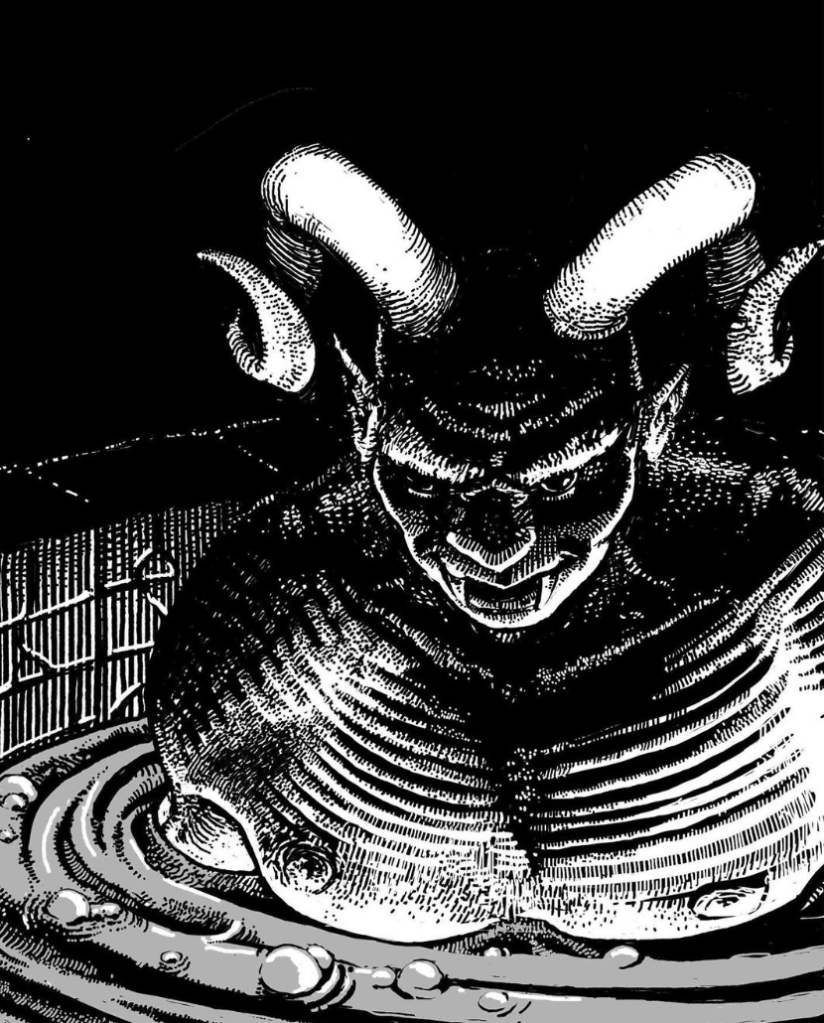
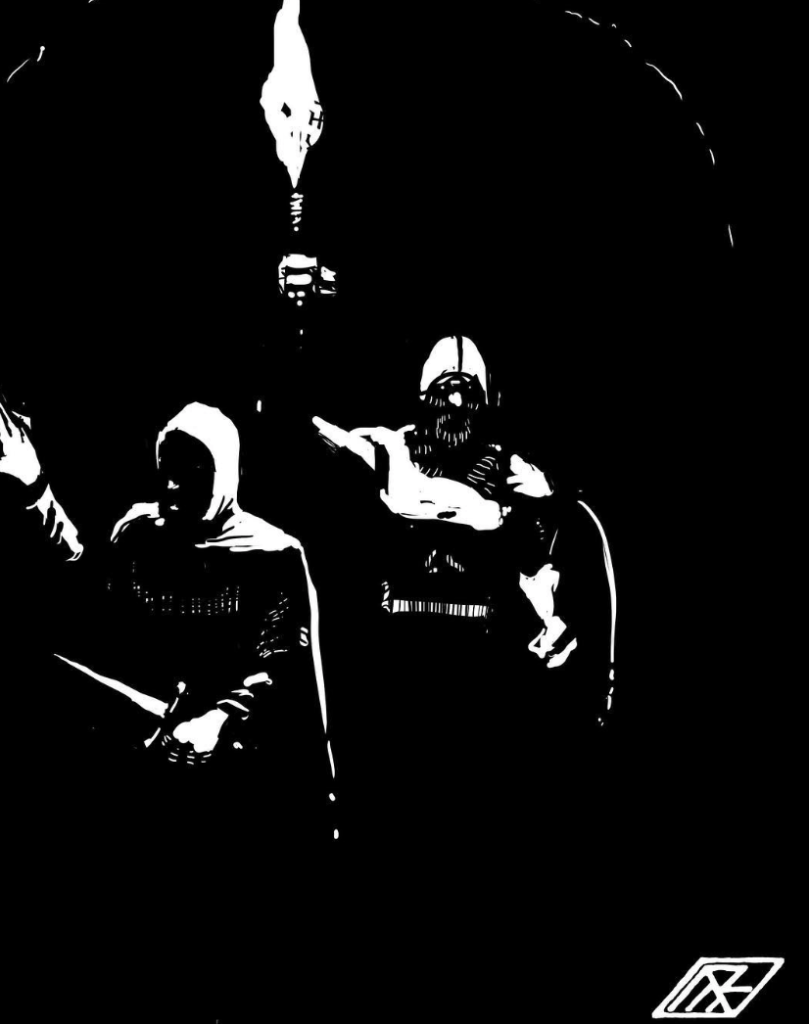
There is always a presence of light and shadow, not just texture and line. This is probably why everything feels so solid in his compositions; the forms aren’t just dots and lines, they’re full, dense shapes that react honestly to light.
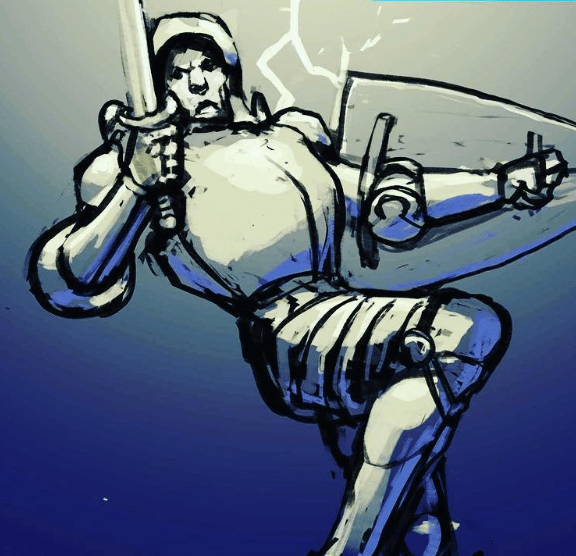
Anatomy
Matt makes fun of himself for this, but I enjoy how part of his style is bringing internal anatomy to the surface. Ribcages. Knuckles. Working muscles. How do you even start to think of how someone’s leg and neck muscles work while bent over in a tunnel, picking a lock?
It’s an incredibly fine line to walk; I’ve seen illustrators spray-paint clothing onto the forms of their subjects, and 9 times out of 10 it flattens the work, but the mass of the relevant shapes in his illustrations are carried so heavily that it absolutely stops mattering that we can see every sinew through chainmail armor. I struggle with this every time I pick up a pen, but he finds the sweet spot with ease.
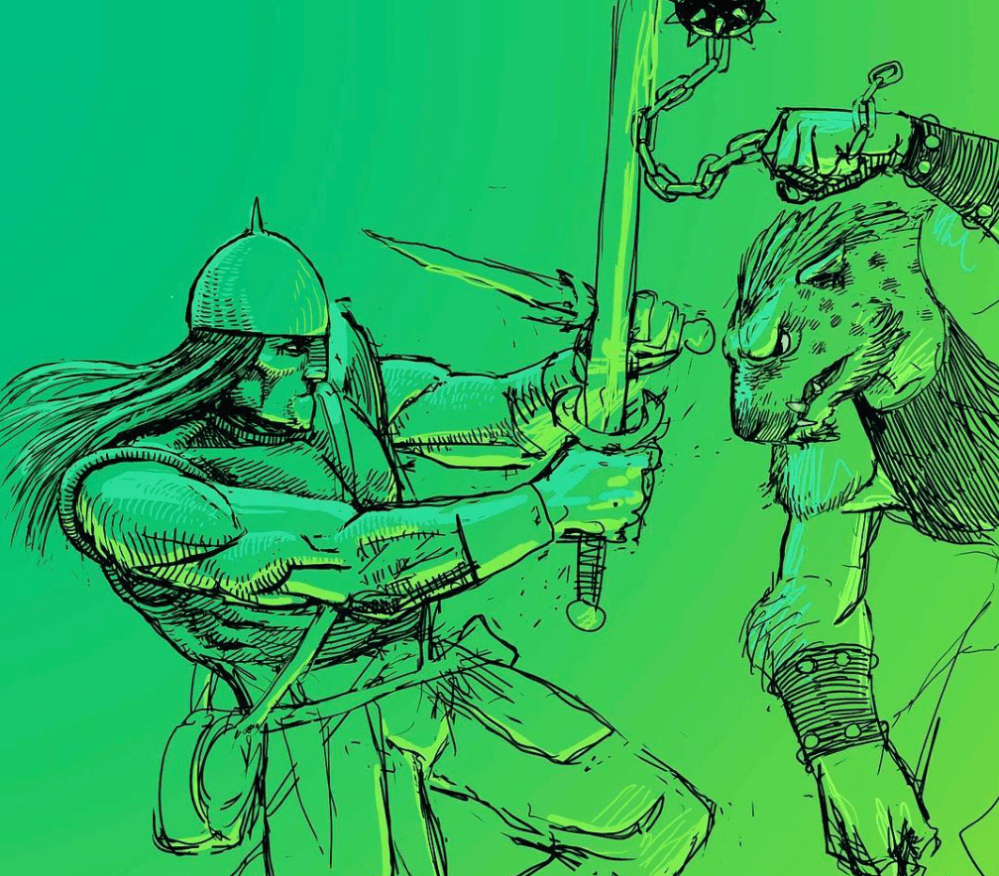
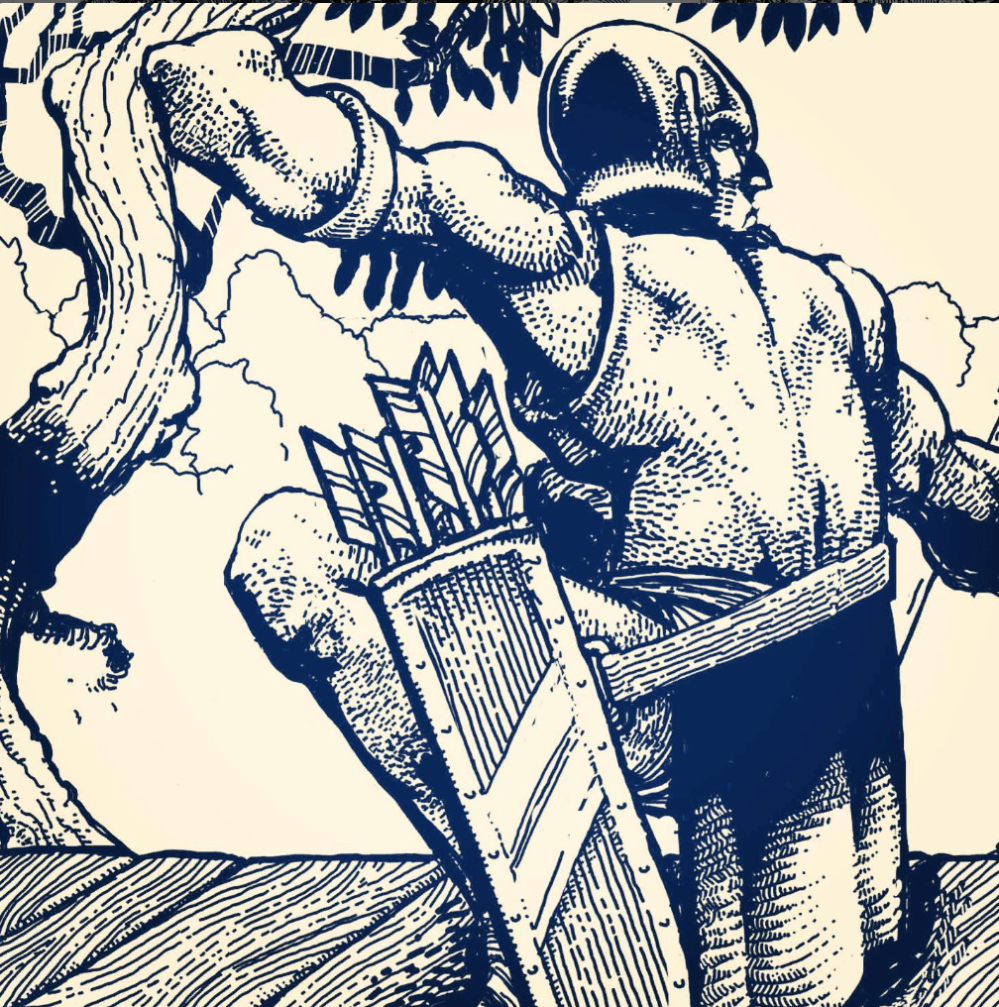
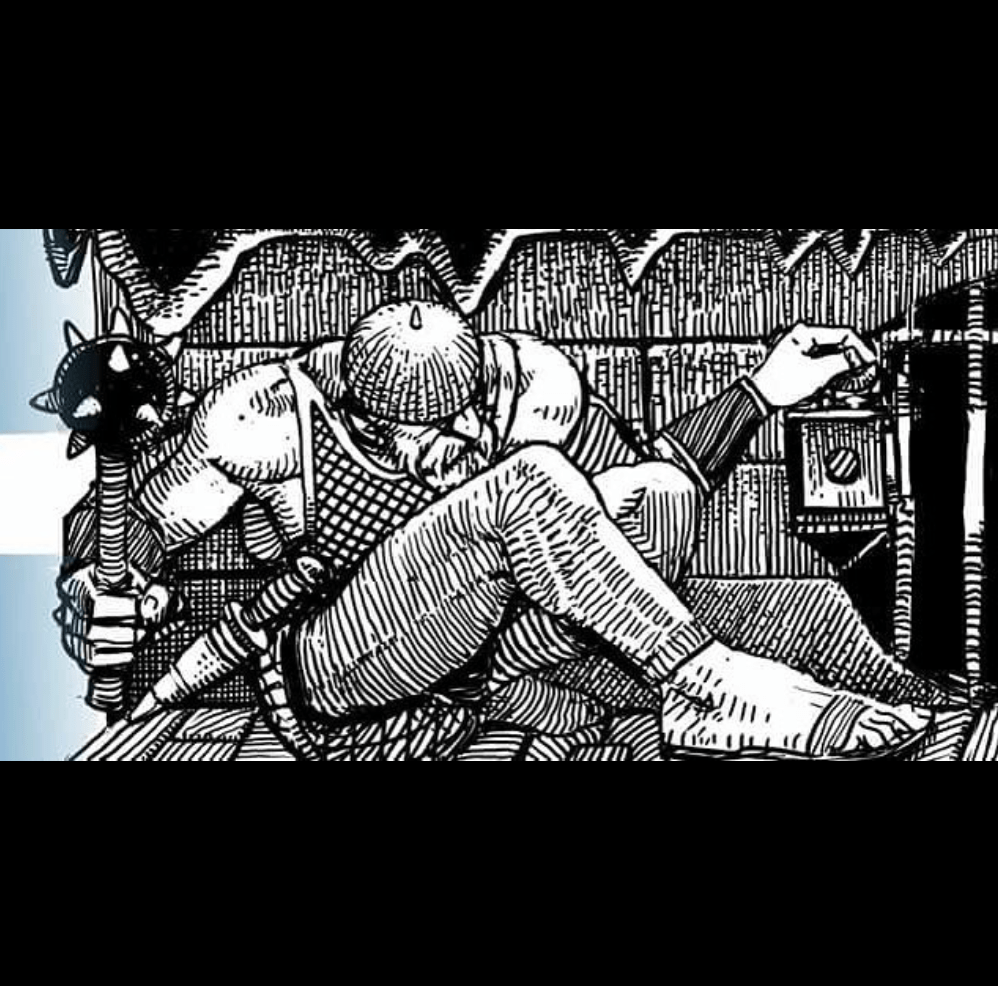
Anyway. I don’t really have a conclusion for this blog entry. It doesn’t go anywhere except to express my appreciation for the man’s art, and how just looking at it helped me to get over a plateau as an artist. My art style started somewhere along the same trajectory, and when I saw Matt’s art, I had a moment where I said, “This is what I was trying to do, but I lacked the tools to realize it,” and that helped springboard me into becoming a published artist in my 40s.
So thanks, Matt. Hope you come back around.


Leave a comment